Get Business Roof Inspection
Business roof inspection services help property owners identify potential issues, assess roof condition, and evaluate repairs or maintenance needs with experienced local contractors.
Property owners in the area seeking reliable roof inspection services are in the right place. Regular roof assessments are a practical step for maintaining the integrity of a building, identifying potential issues early, and planning future projects. Whether preparing for a renovation, ensuring ongoing protection, or simply reviewing the condition of your roof, exploring local contractor options can help you compare services and find the right fit for your needs.
This page connects property owners with experienced service providers who specialize in comprehensive roof inspections. By considering local contractors, you can gather information on available services, understand different approaches to roof assessment, and make informed decisions about your property's maintenance and planning efforts. Keep reading to discover how to find trusted professionals in your area.
- Commercial Roof Inspection - needed when businesses want to assess the condition of their commercial roofing systems.
- Industrial Roof Inspection - essential for factories and warehouses to identify potential leaks or damage.
- Flat Roof Inspection - recommended for property owners with flat or low-slope roofs to prevent costly repairs.
- Emergency Roof Inspection - required after storms or severe weather events to evaluate storm damage.
- Preventive Roof Inspection - advised regularly to detect early signs of wear and extend roof lifespan.
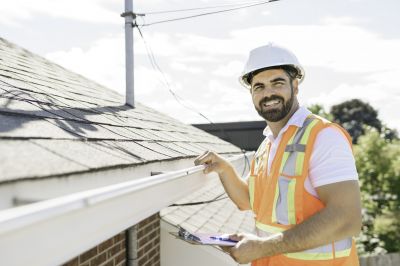
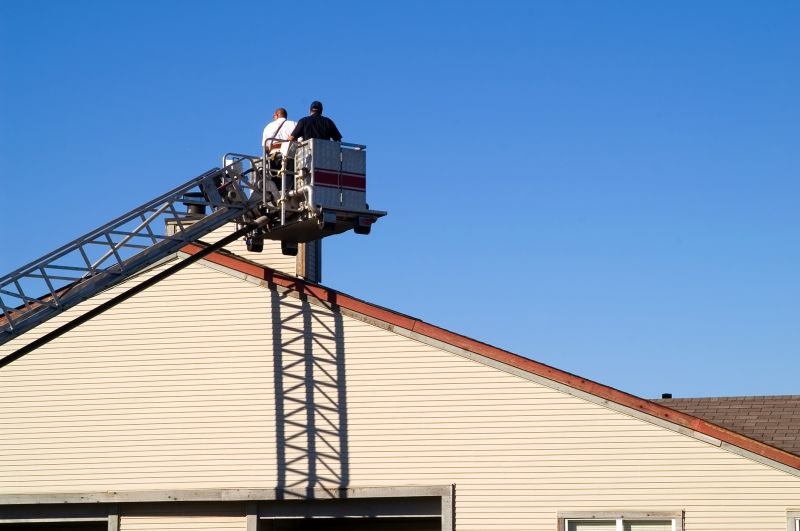
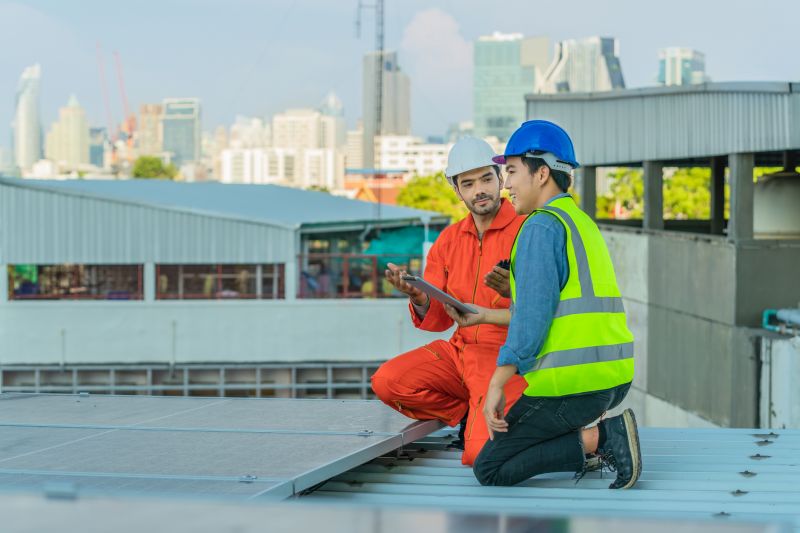
Business roof inspection services involve a thorough examination of commercial and industrial roofing systems to assess their current condition. Skilled service providers use specialized tools and techniques to inspect the roof’s surface, flashing, gutters, and other critical components. This process helps identify existing issues, potential vulnerabilities, and areas that may require repair or maintenance. Regular inspections can provide property owners with a clear understanding of their roof’s health, enabling proactive management and avoiding costly repairs down the line.
These inspections are particularly valuable for diagnosing common problems such as leaks, damaged flashing, membrane deterioration, or blocked drainage systems. Detecting these issues early can prevent water intrusion, structural damage, and mold growth, which often result from unnoticed roof failures. Additionally, inspections can uncover signs of wear caused by weather exposure, UV damage, or age-related deterioration. By catching these problems early, property owners can plan repairs more effectively and extend the lifespan of their roofing investment.
Many types of properties benefit from professional roof inspections, including office buildings, retail centers, warehouses, and manufacturing facilities. Commercial properties often have larger or more complex roofing systems, making regular inspections essential for maintaining safety and operational efficiency. Industrial facilities and multi-unit complexes also rely on these services to ensure their roofs remain in good condition, especially when dealing with flat or membrane roofs that are more prone to issues. Homeowners with large or flat roofs may also consider inspections to address specific concerns or prepare for maintenance.
Homeowners or property managers who notice signs of damage or experience weather-related issues should consider scheduling a roof inspection. Common indicators include water stains on ceilings, missing or damaged shingles, increased debris in gutters, or visible sagging. Regular inspections can help detect problems before they escalate, saving money and reducing downtime. Connecting with experienced service providers can ensure a comprehensive assessment, providing peace of mind and support in maintaining the integrity of the roofing system.
The overview below groups typical Business Roof Inspection projects into broad ranges so you can see how smaller, mid-sized, and larger jobs often compare in your area.
In many markets, a large share of routine jobs stays in the lower and middle ranges, while only a smaller percentage of projects moves into the highest bands when the work is more complex or site conditions are harder than average.
Smaller Repairs - typical costs range from $250-$600 for routine roof inspections and minor repairs. Many projects fall within this middle range, covering basic assessments and small fixes by local contractors.
Moderate Maintenance - more extensive inspections or repairs, such as patching or sealing, usually cost between $600-$1,500. Larger, more involved jobs can push costs higher, but most projects stay within this band.
Major Repairs - significant work like replacing damaged sections or addressing leaks often costs $1,500-$3,500. These projects are less common but are handled frequently by local pros for complex issues.
Full Roof Replacement - complete roof replacements can range from $5,000 to $15,000 or more depending on the size and materials. While larger projects are more costly, many local contractors handle replacements within this range.
Actual totals will depend on details like access to the work area, the scope of the project, and the materials selected, so use these as general starting points rather than exact figures.
Commercial Building Inspection - Professionals who perform detailed assessments of commercial structures often use similar skills and tools as roof inspectors to evaluate building integrity and identify potential issues.
Industrial Facility Maintenance - This type of project requires expertise in structural assessments and safety planning, aligning closely with the skills needed for comprehensive roof inspections.
Construction Site Safety Surveys - Conducting safety surveys involves planning and inspection techniques comparable to those used in roof evaluations to ensure compliance and identify hazards.
Property Condition Assessments - These assessments involve evaluating the overall condition of commercial properties, including roofing systems, using similar inspection methods and planning processes.
Facade and Exterior Cladding Inspection - Inspecting building exteriors shares common skills with roof inspections, focusing on structural integrity and surface condition assessments.
Preventive Maintenance Planning - Developing maintenance plans for commercial properties involves assessing structural components like roofs, requiring similar planning and inspection skills.
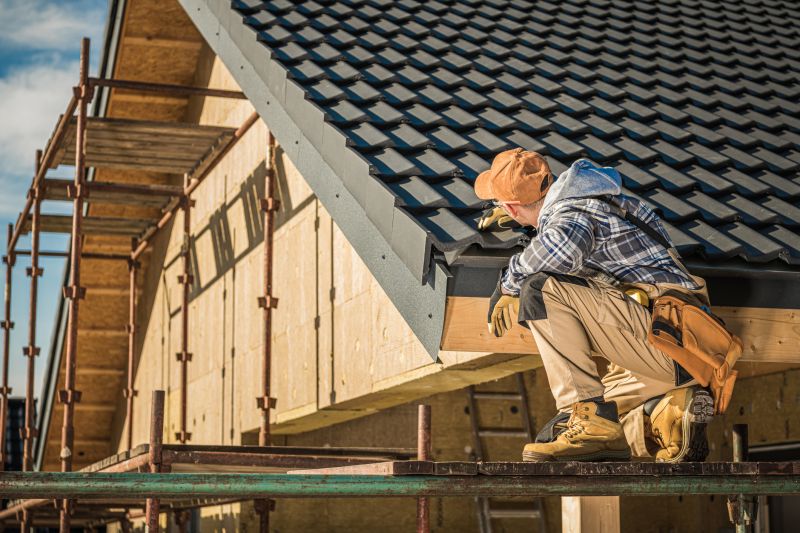
When comparing service providers for business roof inspection, it’s important to consider their experience with similar projects. A contractor with a track record of inspecting roofs comparable in size, type, or complexity can provide insight into their familiarity with specific challenges and industry best practices. This background can help ensure the inspection is thorough and tailored to the unique needs of the property, reducing the likelihood of overlooked issues or unnecessary concerns.
Clear, written expectations are essential for a smooth inspection process. Pros who can provide detailed descriptions of what the inspection will cover, how findings will be documented, and what the next steps might entail help set transparent standards. Having this information in writing allows homeowners to understand exactly what to expect and minimizes misunderstandings or surprises once the work begins.
Reputable references and good communication are key indicators of a trustworthy professional. Service providers with established credibility often can furnish references from previous clients or examples of completed projects similar to the current needs. Additionally, those who communicate clearly and promptly can better address questions or concerns throughout the process. It’s important to remember that this site introduces homeowners to local options, serving as a resource to compare and connect with qualified contractors-not performing the inspections itself.
Property owners use Business Roof Inspection services for practical projects around their homes and businesses. This guide focuses on everyday jobs and straightforward project options.
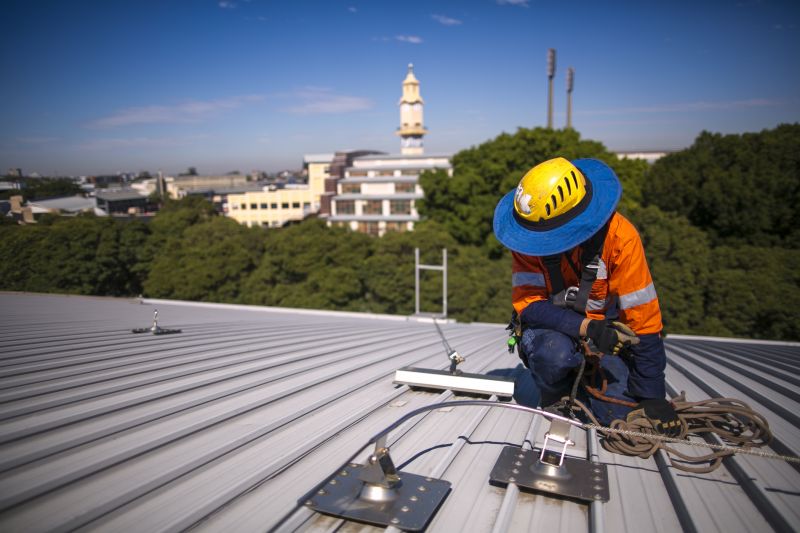
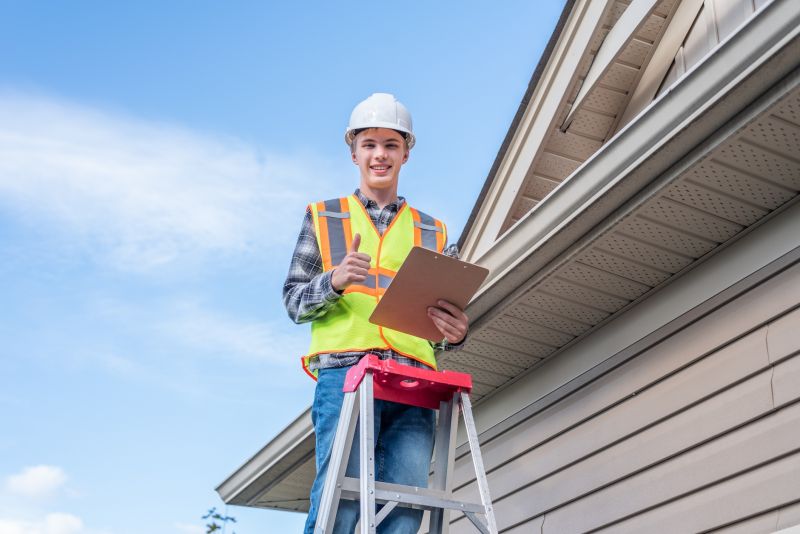
Business roof inspection services are often sought after by property owners who notice signs of wear, leaks, or damage on their roofs. Regular inspections can help identify issues early before they develop into costly repairs or structural problems, especially for buildings that experience heavy weather or age over time. Homeowners and business owners alike may look for local contractors to assess the condition of their roofs after storms, strong winds, or if they suspect potential damage from falling debris.
In addition, property owners might request roof inspections when preparing for real estate transactions, refinancing, or insurance claims. Ensuring the roof is in good condition can provide peace of mind and help avoid unexpected expenses down the line. Local service providers can offer the expertise needed to evaluate the roof’s integrity, spot potential trouble spots, and recommend appropriate next steps to maintain or improve the property's overall safety and value.
What is a roof inspection service? A roof inspection service involves a professional assessment of a building's roof to identify potential issues, damage, or areas needing repair.
Why should I consider a roof inspection for my business? Regular roof inspections can help detect problems early, preventing costly repairs and ensuring the safety and integrity of the building.
What do local contractors look for during a roof inspection? They typically check for signs of wear, leaks, structural damage, and other issues that could affect the roof's performance.
How often should a business roof be inspected? It is generally recommended to have a roof inspected at least once a year or after severe weather events.
Can a roof inspection identify hidden issues? Yes, experienced service providers can often detect hidden problems that are not immediately visible from the ground or surface level.
Preventative Maintenance Planning - Regular roof inspections can help property owners identify potential issues early, reducing the risk of costly repairs in the future.
Property Condition Assessment - Homeowners can use roof inspections to evaluate the current state of their roof before purchasing or selling a property.
Damage Detection After Storms - Following severe weather, property owners can schedule inspections to check for damage that may not be immediately visible.
Long-term Asset Management - Business owners can incorporate roof inspections into their maintenance schedules to prolong the lifespan of their roofing systems.
If you are thinking about Business Roof Inspection for a property, this guide is meant to help you understand the work, the typical project types, and how different options might fit your plans.
When you are ready, you can use the quote form on this page to share a few details about your project. From there, local pros can review the basics and respond with options that match what you have in mind.